Dream Money, a fintech app by Dream11
Turning daily earners into daily savers
Dream Money helped people in India's smaller cities start investing with ₹10 a day, and keep going.
Product Designer III, there from day zero. One of 6 designers, with 3 PMs and 7 engineers.
In its first year
Some figures belong to my former employer, so they're locked. , or ask me for one at sumitchandorkar1995@gmail.com
The problem
They earned daily. Nobody helped them save daily.
In 2022–23, Indian households' net financial savings fell to about 5% of GDP, the lowest in nearly five decades, as borrowing rose. Picture someone earning ₹1,000 to ₹2,000 a day. They want to save, but all they know is a savings account or a fixed deposit at the bank.
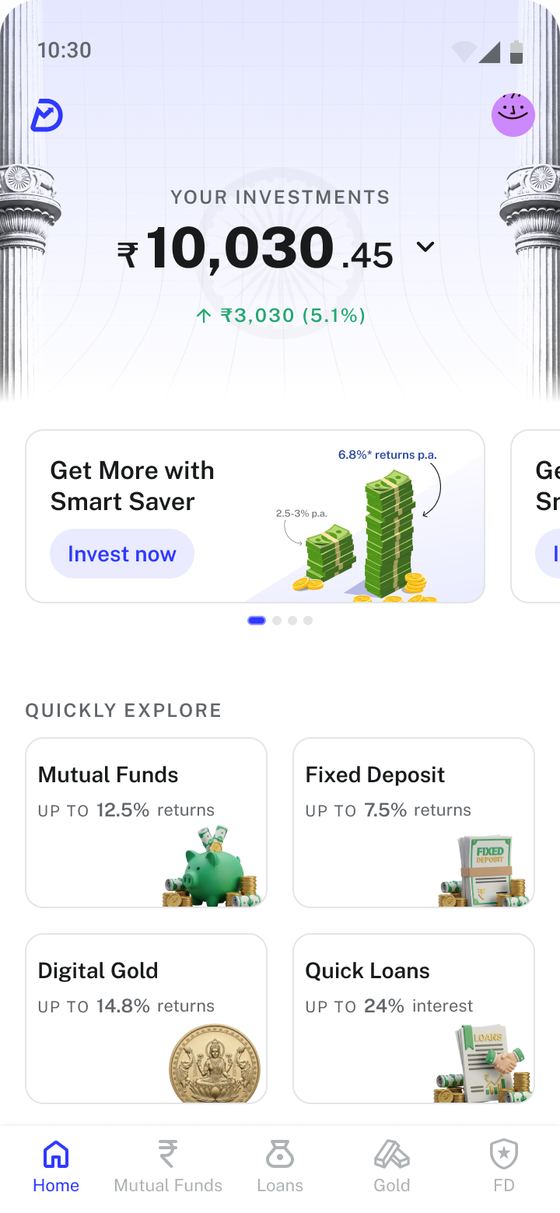
Three things held people like them back. We started with gold, the one thing everyone in India already trusts, and tackled each one.
Savings figure: RBI data, as reported by Business Standard.
01Make it feel real
Gold you can't hold is hard to trust
Digital gold can't be seen or touched. And every saver asks the same thing: if I put in a little each day, how much gold will I have?
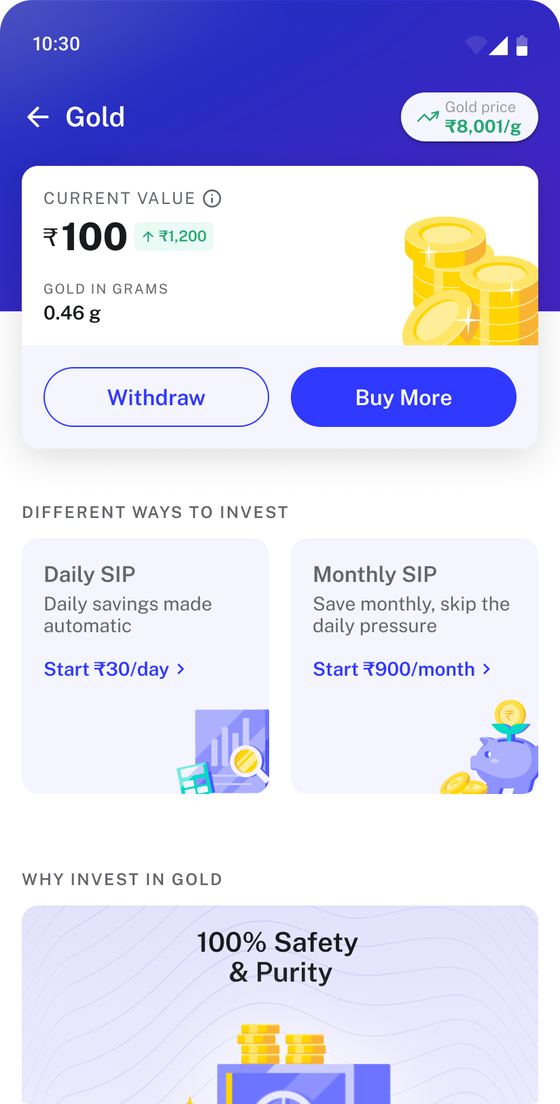
I proposed answering it visually. A gold coin that grows into a stack as you save, next to the live gold rate and the grams you own.
Try it yourself.
Save every day
For
An illustration at ₹8,000 per gram. Gold prices change.
02Make starting one step
₹10 a day, right after sign-up
Management wanted to offer gold straight after OTP, before people had even seen the app. I argued against it. I wanted people to look around first.
I was wrong. Starting straight away worked better: choose an amount, see your gold grow, and pay.
03Make it worth coming back
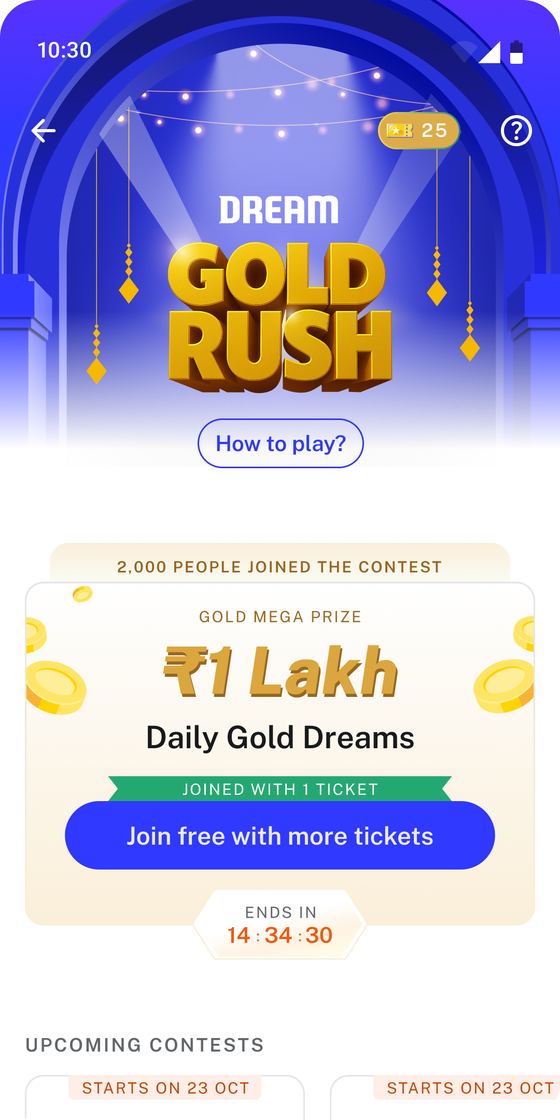
Gold Rush: a reason to save again tomorrow
Saving only sticks if people come back. So we introduced Gold Rush, a prize-linked savings game, and I led its design. Banks and governments have used prize-linked savings for decades to encourage saving: your savings stay yours, and saving earns you a chance to win.
Diwali was coming, the season when Indian families traditionally buy gold. I made the case to leadership that Gold Rush should be ready in time. Once it was approved, we had 14 days, starting from scratch. I planned the work, split it across the team, and led the design decisions.
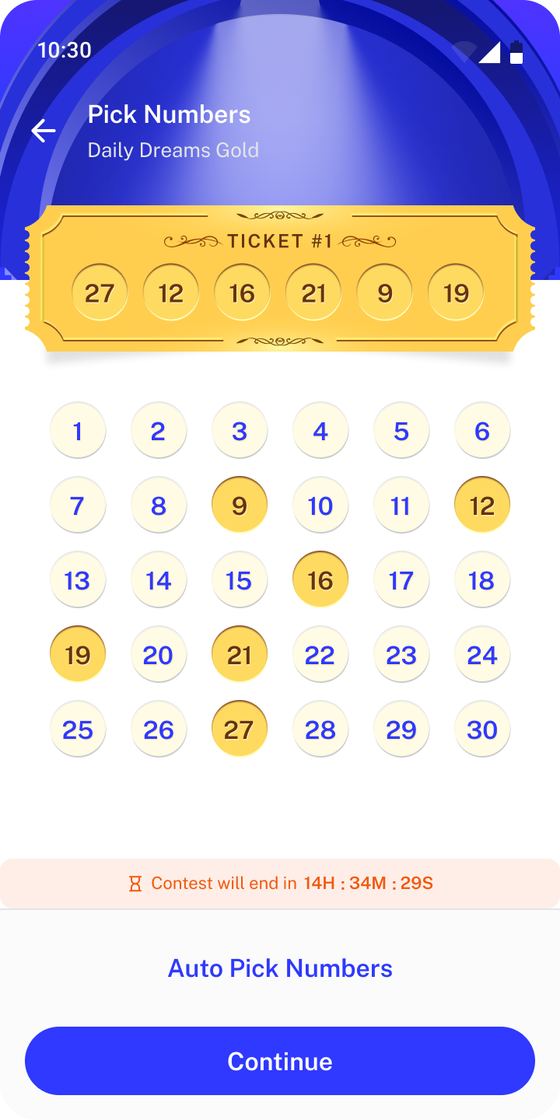
Registrations, daily users and gold investment all went up. Every day, 15K to 20K people used the app.
Behind the screens
How we got there
Sketches, explorations, and the system every screen was built from.
Where it landed
Almost all the money went into gold
Gold was where we put our effort, and it's where people put their money.
In the news
What others said
What I learned
Three things I'll take into my next product
- Users know their own path. I wanted people to explore before investing. They wanted to start right away, and they were right.
- Think about the whole product. When my mentor left before launch, I had to stop thinking one screen at a time. Decisions got easier.
- Hear users first-hand. I got research updates from our research team, but never had time to join user interviews myself. That's the part I'd change.
Also on this project
- Design systemHelped build it, carried over from DreamX, our earlier UPI payments app.
- Dream Money logoDesigned the brand mark for the app.
- AI voice guideDesigned the component that explains mutual fund KYC screens in Hindi. Our data team built the voice.
- A dashboard we droppedWorked on an account aggregator dashboard, later dropped because users found it too complex.
There's more behind every decision here.
The debates, the trade-offs, and what I'd change. I'd love to walk you through it.
sumitchandorkar1995@gmail.com
Confidential figures
These figures belong to my former employer, so I share them only with hiring teams. Enter the password I sent you.
Don't have it? Ask me at sumitchandorkar1995@gmail.com